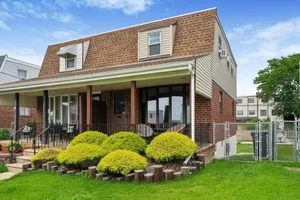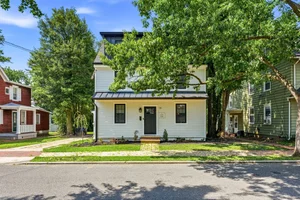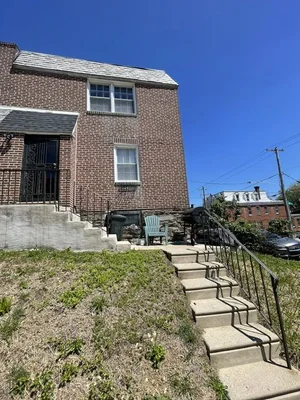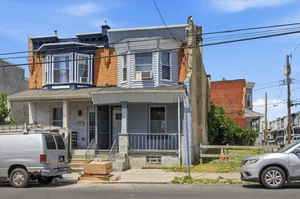
If you earn an annual household income of $85,000, you might be wondering what your real purchasing power looks like in the Philadelphia real estate market.
While national online mortgage calculators often rely on generic state averages, Philadelphia homebuying involves local factors, such as city property taxes, local transfer taxes, and specific debt-to-income guidelines. In the Philadelphia area, an $85,000 salary generally translates to a home price range between $375,000 and $430,000, depending on your choice of financing, existing monthly debt, and cash reserves.
FHA vs. Conventional Mortgage: Comparing $85k Affordability Scenarios
Assuming a baseline household income of $85,000 (gross monthly income of ~$7,083) and existing monthly debt obligations of $850 (such as student loans, car payments, or credit cards), here is a direct comparison of maximum purchasing power across two common loan programs:
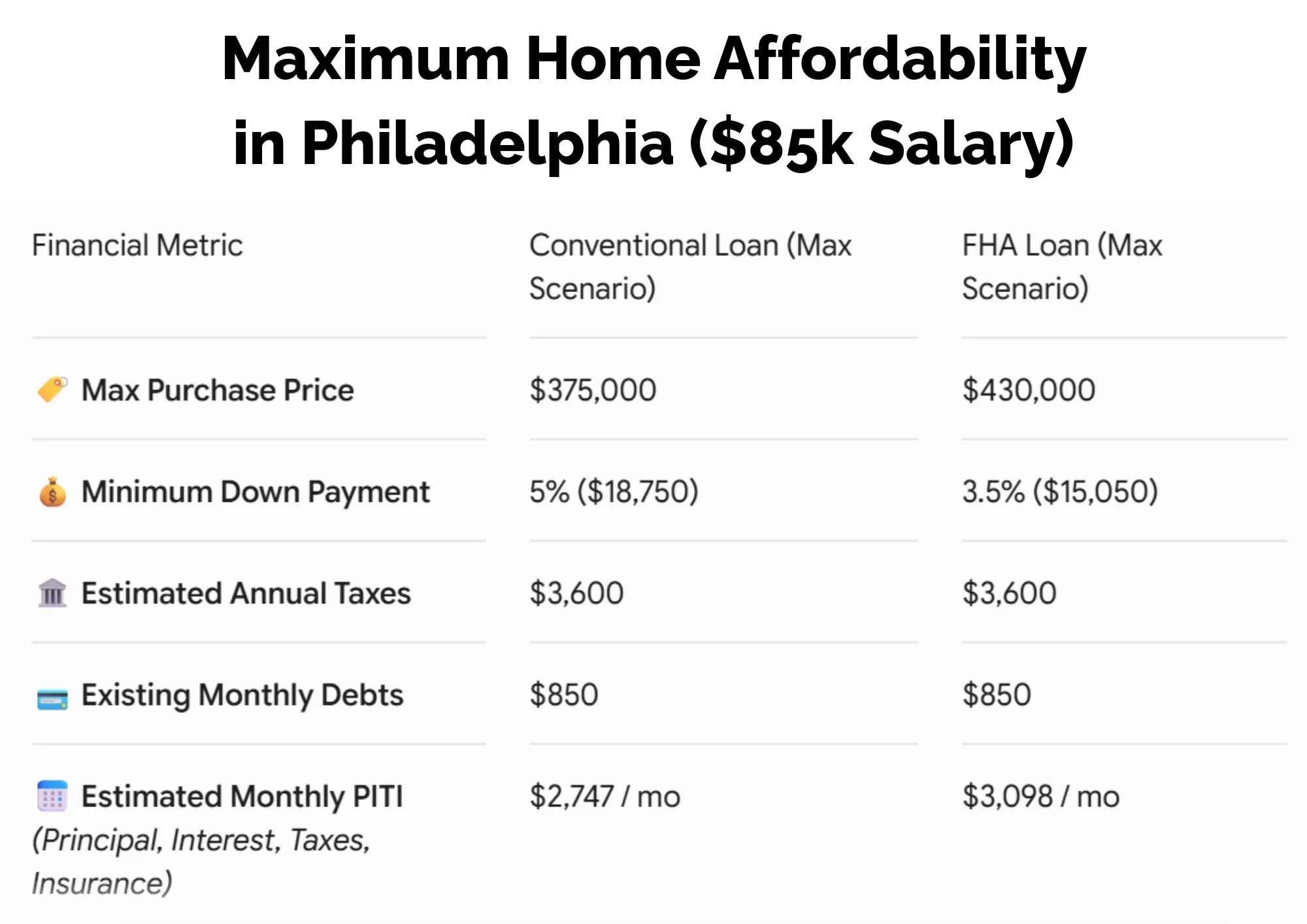
Note: PITI includes Principal, Interest, Property Taxes, and Homeowner's Insurance.
Key Differences Between FHA and Conventional Loans in Philadelphia
1. Purchasing Power vs. Monthly Out-of-Pocket
FHA Loan: FHA guidelines often allow for higher debt-to-income (DTI) ratios. This enables buyers earning $85,000 to qualify for a higher maximum price point ($430,000). However, the monthly payment is higher ($3,098), and FHA requires Mortgage Insurance Premiums (MIP) for the life of the loan in most low-down-payment scenarios.
Conventional Loan: Conventional guidelines are stricter on debt ratios, capping maximum purchasing power lower ($375,000). The trade-off is a lower, more manageable monthly obligation ($2,747), and Private Mortgage Insurance (PMI) can eventually be removed once 20% equity is established.
2. Down Payment and Closing Cost Realities
Down Payment: The upfront down payment difference between 3.5% ($15,050) on an FHA loan and 5% ($18,750) on a Conventional loan is relatively modest ($3,700 difference).
Closing Costs in Philadelphia: First-time buyers are often surprised by cash requirements beyond the down payment. Between transfer taxes, escrow pre-paids, title insurance, and lender fees, total cash needed at closing typically ranges from $38,000 to $42,000.
4 Factors That Determine Your Personal Affordability
Existing Debt Obligations: Every dollar you pay toward auto loans, credit cards, or student loans directly reduces your monthly housing allowance.
Credit Score Ratings: A higher credit score lowers your mortgage interest rate and significantly reduces your monthly PMI rates on Conventional loans.
Property Tax Variance: Property taxes vary by neighborhood and county. A home priced at $400,000 with lower real estate taxes can cost less per month than a $370,000 home in a higher-tax district.
Assistance Programs: First-time homebuyers in Philadelphia may qualify for local grant programs and down-payment assistance to offset initial closing costs.
Calculate Your Exact Philadelphia Purchasing Power
Because every buyer's credit profile, debt load, and savings structure are unique, general estimates only tell part of the story.
Ready to discover your exact numbers? Reach out to the Q&U Real Estate Team or comment "AFFORD" on our social channels to get a personalized affordability assessment built specifically for your budget and homebuying goals.