4 Credit Score Myths That Are Keeping You From Buying Your First Home
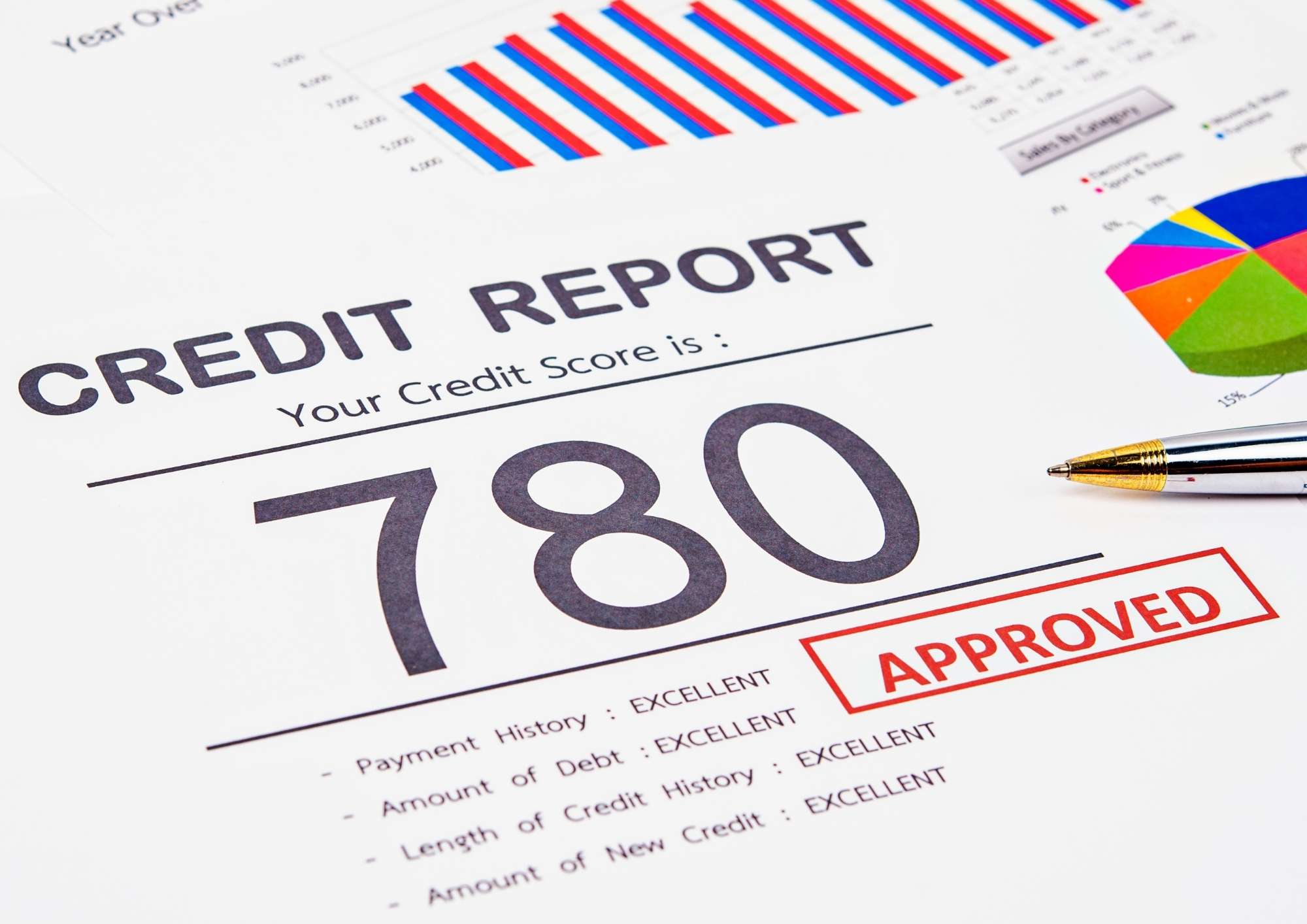
Thinking about buying your first home, but worried your credit score isn’t where it needs to be? You’re not alone. Navigating the home-buying process for the first time can feel overwhelming, and credit scores are easily one of the biggest sources of anxiety for aspiring buyers.
Unfortunately, there is a lot of bad financial advice floating around social media and internet forums. Holding onto outdated or inaccurate credit advice can hold you back from owning a home far longer than necessary.
In this blog, we debunk 4 common credit score myths regarding homeownership.
Myth 1: You Need Perfect Credit to Buy a Home
Think you need a perfect credit score to qualify for a mortgage today?
While a higher credit score will land you better interest rates and terms, many mortgage programs cater specifically to buyers with average or working credit.
The reality is… you don’t need an 800 credit score to buy a house.
For example, government-backed FHA loan programs allow home purchases with credit scores starting as low as 580 with a down payment of just 3.5%.
Many conventional mortgage programs accept scores starting around 620, and VA loans for eligible service members often feature flexible credit standards with zero down payment.
Every lender sets its own minimum requirements.
So, before you rule yourself out, talk to a mortgage specialist and you’ll be surprised.
Myth 2: Checking Your Own Credit Lowers Your Score
Worried that checking your own credit lowers your score?
The reality is… checking your own credit profile does not harm your credit score if it’s a soft inquiry.
This is when you check your own score via credit monitoring services or when a credit card company runs a background check for pre-approved offers. Soft inquiries have zero impact on your credit score.
What you need to be wary of is the hard inquiry. When you apply for a loan, credit card, or mortgage, and a lender reviews your credit report to make a lending decision. These can cause a temporary, minor drop in your score.
Checking your credit early and often is one of the smartest steps you can take to correct errors. It helps monitor your progress and spot potential red flags long before submitting a formal mortgage application.
Myth 3: Closing Old Credit Cards Helps Your Score
Do you believe that closing an old credit card will help your score? The reality is.. old credit card accounts can actually hurt your credit score.
Here’s why:
1.Your total available credit limit and what you’re utilizing is measured as credit utilization ratio.
Imagine you have 2 credit cards, each with a $5,000 limit giving you $10,000 total borrowing power. You owe $2,000 on Card A, and $0 on Card B (your old card). Right now, you are using 20% of your total credit line ($2,000 out of $10,000). This percentage is low and is good in banks' eyes.
But if you close card B, your total borrowing limit drops to $5,000.
Suddenly, that same $2,000 debt takes up 40% of your total credit line ($2,000 out of $5,000). To credit score algorithms, it looks like you just became twice as reliant on borrowed money.
2.Scoring algorithms measure length of credit history and favor established credit accounts.
If you’ve had a credit card open and paid on time for 10 years, it proves you are experienced and reliable. Closing your oldest card makes your overall credit history look much "younger", which temporarily lowers your credit score.
Note: If the card has a high annual fee that isn't worth paying, call the bank first to ask if you can product-change/downgrade it to a fee-free version rather than closing it outright.
Myth 4: Getting Quotes from Multiple Lenders Will Wreck Your Credit
Think getting quotes from multiple lenders will wreck your credit? The reality is credit scoring models are designed to encourage rate-shopping!
It's natural to worry that having three or four mortgage lenders pull your credit will tank your score. However, major credit scoring models (such as FICO and VantageScore) recognize mortgage inquiries and bundle multiple checks made within a short window, typically 14 to 45 days, as a single inquiry.
Shopping around for the best mortgage rate can save you tens of thousands of dollars over the life of your loan, so don't let the fear of multiple credit pulls stop you from comparing offers.
Ready to Take the Next Step?
Understanding your credit score is the first step toward unlocking the doors to your first home. Don't let misconceptions stand between you and your homeownership goals!
Thinking about buying a home in the near future? Reach out to get our step-by-step First-Time Buyer Questionnaire to map out your home purchase plan today!